
Music Promotion Tips: Your older releases never expire!
You spend weeks, months, sometimes years writing and recording a track you’re genuinely proud of. Release day arrives, you post the artwork, share the video, push it across your socials and then, a few weeks later, attention moves onto whatever comes next. But the song hasn’t suddenly expired. One of the simplest music promotion tips we can give independent artists is to stop thinking of release day as the end of a campaign. Someone discovering you today probably hasn’t heard the song you released six months ago. They might not have heard the one you released three years ago either.
Your old music is still brand new to someone.
Your back catalogue gives you a huge amount to work with across social media. Revisit it, repurpose it, reimagine it and keep introducing it to new people.
Stop treating release day like an expiry date
There’s understandably a lot of focus on the build-up to releasing music. You’ve got teasers, pre-saves, artwork reveals, release-day posts, videos, Reels and follow-up content. Then everyone moves on.
That can mean a song you spent months creating gets just a few weeks of active promotion. Instead, think of release day as the beginning of the song’s content life. There are plenty of ways to continue talking about a track without endlessly posting the same link:
- Share a different verse, chorus, riff or lyric.
- Post live versions from different gigs.
- Talk about where the song came from.
- Dig out recording or rehearsal footage.
- Explain the meaning behind a lyric.
- Revisit old music videos and performance clips.
- Share listener reactions and comments.
- Bring the song back when it returns to your live set.
- Create completely new content around the track.
You don’t need to pretend it’s a new release. You’re simply giving people another opportunity to discover it. Keep reading for more music promotion tips.
Revisit songs when the time feels right
Some songs naturally lend themselves to certain times of the year. Maybe you’ve got a track that feels like summer, something darker that works around Halloween or a song that reminds you of a particular tour, festival or period in the band’s history. Something happening right now might suddenly make an older lyric or theme feel relevant again too.
Look through your back catalogue for opportunities such as:
- Seasonal connections.
- Release anniversaries.
- Gig and festival anniversaries.
- Songs returning to your live set.
- Lyrics that connect with something topical.
- “This time last year…” memories.
- Streaming or video milestones.
- Throwbacks to recording sessions, tours or gigs.
- An older song suddenly picking up streams or engagement.
And sometimes you don’t need a reason at all. Random throwbacks are allowed. Found a great live clip from two years ago? Post it. Haven’t mentioned a particular track for months? Bring it back. Your audience today isn’t necessarily the audience you had when the song first came out.
Reimagine it, don’t just repost it
Some of the best music promotion tips aren’t really about promotion at all. They’re about finding something new in music you’ve already made.
If your original track is a huge, full-band heavy electric number, strip it back and see what happens. Try an acoustic version. Slow it down. Change the instrumentation. Build it around the vocal. If the original was stripped back, take it in the opposite direction and make it bigger.
You could:
- Record an acoustic or unplugged version.
- Create a piano version.
- Change the tempo or overall feel.
- Try completely different instrumentation.
- Add new vocal harmonies.
- Rearrange the chorus.
- Record a one-take rehearsal-room version.
- Create a live session.
- Turn a softer song into something heavier, or vice versa.
You don’t necessarily need to officially release the new version either. A stripped-back rehearsal, acoustic performance or spontaneous studio recording can be enough to give an older song a new spark and create something fresh for your social channels.
Pull the song apart
You know every little detail buried in your songs. Your listeners probably don’t. Show them.
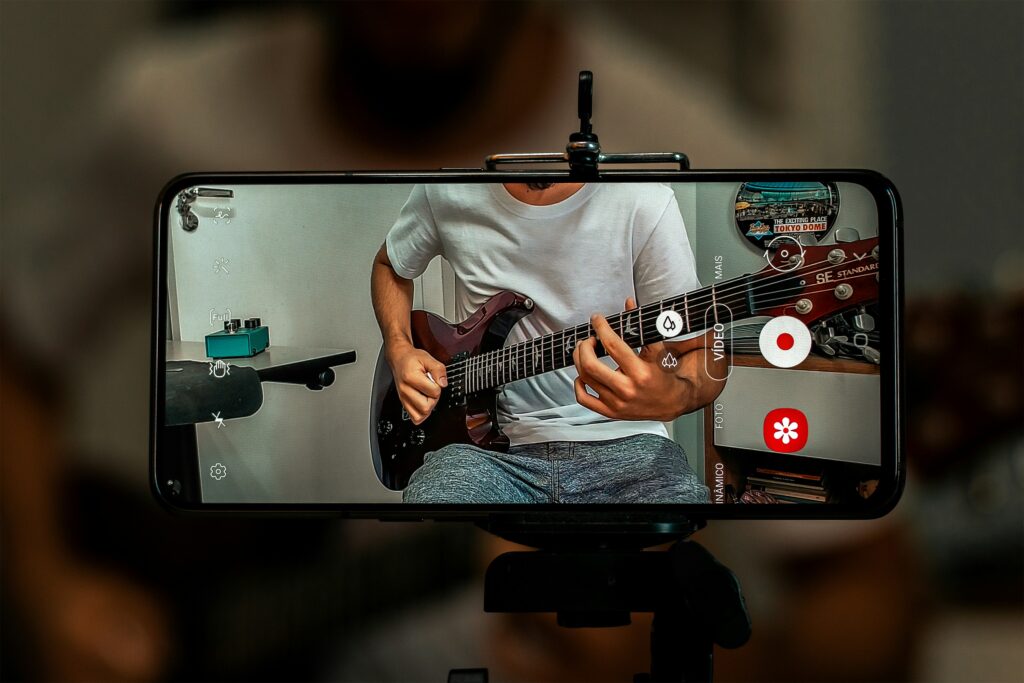
Instead of always sharing the finished track, break it apart and turn the individual elements into content:
- Play through the main guitar riff.
- Show people how you play the bassline.
- Break down a favourite drum section.
- Play the guitar solo on its own.
- Isolate the vocals or explain how they were recorded.
- Show people harmonies they might not have noticed.
- Build the harmonies one layer at a time.
- Explain an unusual sound or production choice.
- Share the original demo against the finished version.
- Talk about something that changed during recording.
- Share a section that nearly didn’t make the final track.
It gives people another way into the song and works particularly well for Reels, TikTok and YouTube Shorts. Most importantly, you’re creating music content rather than repeatedly telling people to “stream our song”.
Let other musicians have a go
Collaborations don’t always have to mean writing and releasing an entirely new song together. Bring your musician friends into something you’ve already created.
Ask another vocalist to sing a verse, add guest vocals or come up with completely different harmonies. Or give a guitarist your track and ask: “If you wrote the guitar solo for this song, what would it sound like?”
The same idea can work across the whole band:
- “What drums would you put on this section?”
- “What bassline would you play here?”
- “How would you sing this chorus?”
- “What harmony would you add?”
- “How would you produce this?”
- “What would this song sound like in your style?”
It’s fun, gives you something genuinely different to share and can introduce both artists to each other’s audiences. It also puts the focus back where it belongs: the music.
Think of Instagram as your portfolio
Revisiting older music doesn’t mean your social media needs to look dated. Instagram in particular is often one of the first places someone goes after discovering an artist. Potential fans might be looking, but so could promoters, venues, festival bookers, radio presenters and other people in the industry.
Think of your Instagram profile as part of your artist portfolio. When bringing older music back:
- Use your strongest live photography.
- Choose good-quality performance footage.
- Re-edit old music videos into new vertical clips.
- Use professional artwork where you have it.
- Avoid repeatedly uploading poor-quality archive footage just because it exists.
- Create something new around the song if the original assets no longer represent you.
- Make sure the overall profile still reflects who you are as an artist now.
Your Instagram grid doesn’t need to be perfectly colour coordinated or meticulously designed. It should simply give someone landing on your profile a strong first impression of your music, personality, live presence and identity. Think portfolio, not perfection.
Stop assuming everyone has already seen it
One sentence stops a lot of artists from repromoting their music: “We’ve already posted that.”
You have. Your audience probably hasn’t. Not everybody sees every post you publish, social algorithms don’t show everything to every follower, and hopefully you’ve gained new listeners since the song originally came out. Even people who did see something six months ago probably aren’t going to mind being reminded that the song exists.
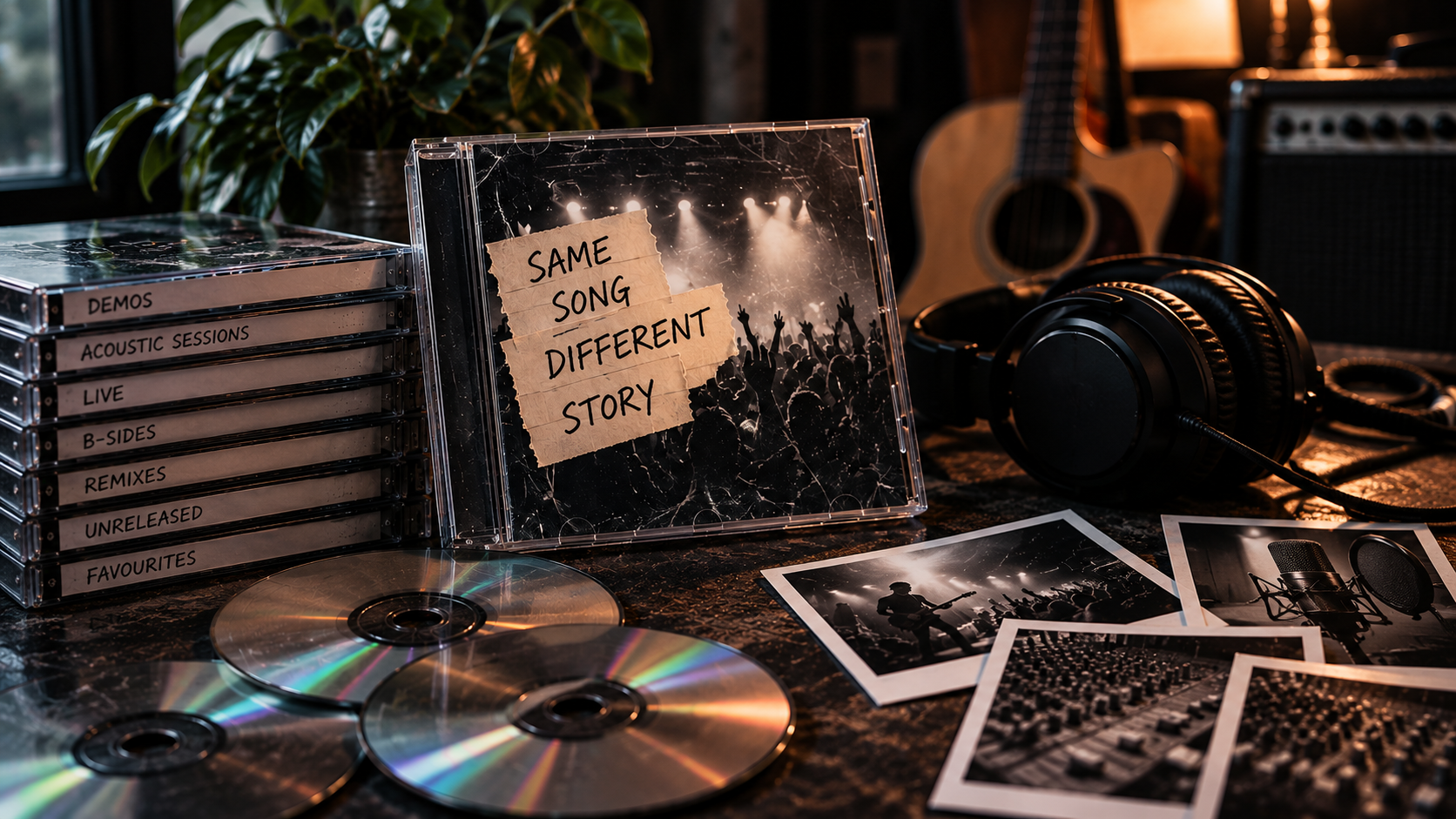
The key is changing the context. One month you might talk about the lyrics. Another time you could post a live performance. Later you might break down the guitar part or revisit the track with a new vocal arrangement. Same song. Different story.
Use your data to decide what deserves another push
Not every throwback needs to be planned months in advance. Keep an eye on what people are actually responding to. If an older song suddenly starts picking up streams, comments or video views, don’t ignore it just because your content calendar says you’re currently talking about something else.
Look at:
- Songs people keep mentioning in comments.
- Sections of tracks that perform well in short-form videos.
- Older videos that suddenly start gaining views.
- Tracks people respond particularly well to live.
- Songs fans are sharing.
- Older posts that continue attracting engagement.
Sometimes your audience will tell you exactly which song they want more of without directly asking.
Your back catalogue is part of your content strategy
One of the biggest challenges we see with independent musicians is the feeling that they constantly need to create more. More videos, more photos, more ideas, more songs, more posts.
Sometimes you do need something new. But sometimes you already have months of potential content sitting in your camera roll, hard drive, music videos, gig footage, rehearsal recordings and back catalogue.
The best music promotion tips aren’t about finding more things to post for the sake of keeping an algorithm happy. They’re about finding different ways to tell your story, getting more from what you’ve already created and making sure good music isn’t forgotten just because release week is over. We can help with that.
At LMSUK, we help independent artists make social media and music promotion more manageable, from content planning and strategy to social media management, video editing, release campaigns and finding new ways to use the music and content you’ve already created.
If you’ve got a back catalogue gathering digital dust, or you’re constantly staring at your phone wondering what on earth you’re supposed to post next, book a discovery call with LMSUK and let’s see what you’ve already got to work with.
Your old music is still brand new to someone. Repurpose it. Reimagine it. Repromote it. Your songs never expire.